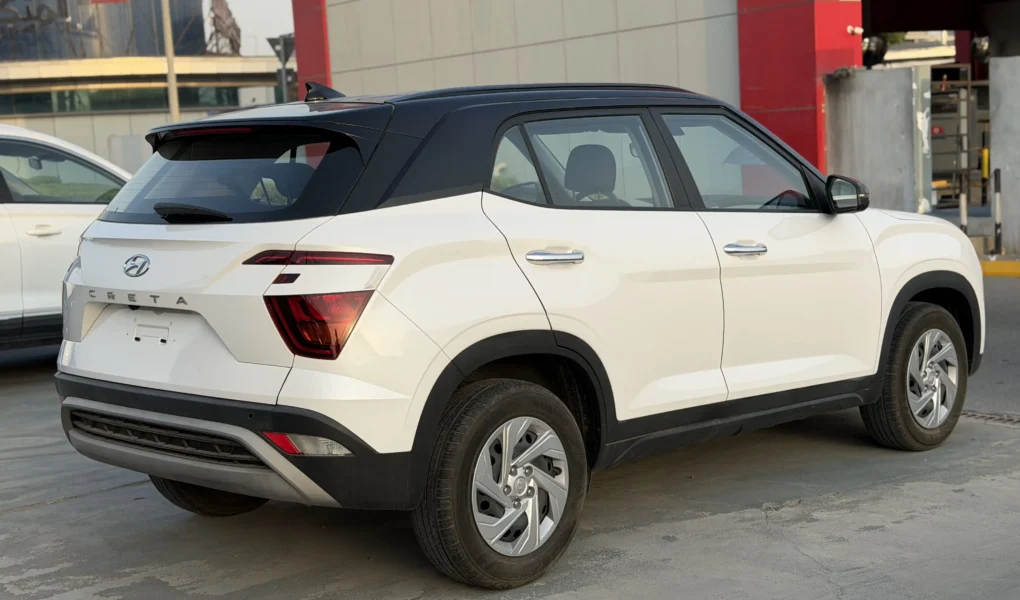
Knowing how to buy second hand car in Dubai can help you avoid expensive mistakes and choose a vehicle that suits both your budget and daily driving needs. Dubai has a large used-car market covering everything from affordable city cars to family SUVs and premium vehicles, but the advertised price is only one part of the buying decision.
Before paying for a vehicle, you should compare similar cars, verify its history, review service records, arrange an independent inspection and understand the costs that come after the purchase. Insurance, registration, maintenance and financing can all affect the real amount you spend.
How to Buy a Second Hand Car in Dubai Step by Step
The best way to approach a used-car purchase is to follow a clear process rather than choosing a car based only on appearance or price.

A practical buying process usually includes:
- Set a realistic total budget.
- Search for suitable used cars.
- Compare similar vehicles and asking prices.
- Verify the VIN or chassis number.
- Review accident, ownership and service history.
- Inspect the vehicle carefully.
- Arrange an independent pre-purchase inspection.
- Take a proper test drive.
- Negotiate based on the car’s actual condition.
- Arrange financing if required.
- Confirm insurance and transfer requirements.
- Complete the ownership transfer and registration process.
Skipping any of these checks can increase the risk of unexpected costs after purchase. A vehicle that appears affordable can become expensive if it needs immediate mechanical work, has incomplete records or carries high running costs.
Set Your Budget Before Looking for a Used Car
A realistic budget should cover more than the amount shown in the advertisement.
Before comparing vehicles, decide how much you can comfortably spend on the purchase itself and how much you can reserve for the first months of ownership.
Calculate More Than the Purchase Price
Potential costs can include:
- The vehicle purchase price.
- Pre-purchase inspection.
- Insurance.
- Ownership transfer and registration costs.
- Initial servicing.
- Replacement tyres or battery if needed.
- Repairs identified during inspection.
- Fuel.
- Parking and toll expenses.
- Monthly finance payments where applicable.
These costs vary considerably depending on the car’s age, value, condition and type.
A relatively inexpensive vehicle may require more immediate maintenance than a newer car, while a premium model may have higher insurance, tyre and repair costs even if its used purchase price appears attractive.
For that reason, compare the total cost of ownership, not simply the selling price.
Cash Purchase vs Monthly Instalments
Buyers searching for used cars in Dubai monthly installment options should compare the complete financing arrangement rather than looking only at the advertised monthly payment.
Depending on the vehicle and financing provider, buyers may need to consider factors such as:
- Down payment.
- Amount financed.
- Monthly instalment.
- Financing period.
- Interest or profit rate.
- Total amount repayable.
- Insurance requirements.
- Early-settlement conditions.
A longer repayment period can reduce the monthly instalment but may increase the total financial commitment.
Before signing any finance agreement, verify all terms directly with the bank or finance provider and make sure the monthly payment fits comfortably alongside fuel, insurance and maintenance expenses.
Where to Buy Second Hand Cars in Dubai
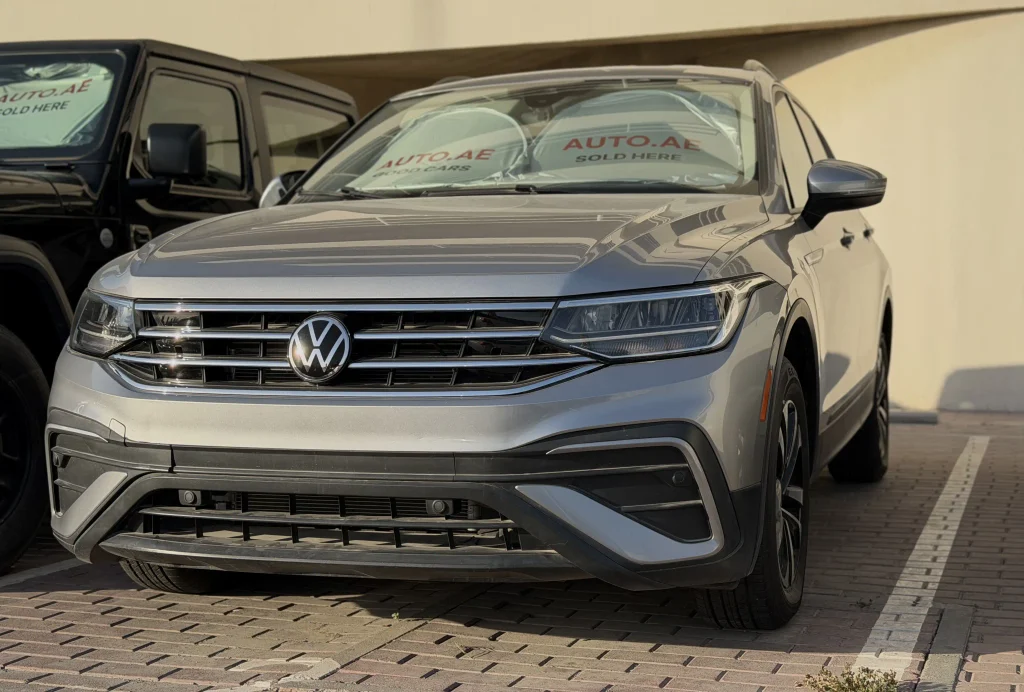
Buyers can find pre-owned vehicles through online classifieds, dealerships, private sellers and approved pre-owned programmes.
There is no single best place to buy used cars in Dubai for every buyer. The right option depends on budget, preferred vehicle, willingness to inspect independently and how much support you want during the transaction.
Online Classified Listings
Online classifieds allow buyers to compare a large number of vehicles without visiting multiple locations.
You can filter listings according to factors such as:
- Make and model.
- Year.
- Price.
- Mileage.
- Body type.
- Location.
- Seller type.
You can also browse used cars for sale in UAE on Shozon and compare listings by make, model, year, mileage, price and seller type.
Never assume that information in an advertisement replaces vehicle-history checks or a physical inspection.
Used-Car Dealerships
Dealerships can be convenient for buyers who want to compare several vehicles in one location.
Some may also offer financing assistance, service packages or warranties depending on the individual vehicle and dealer.
However, those features are not universal. Buyers should confirm exactly what is included, request terms in writing and independently assess whether the vehicle represents fair value.
Private Sellers
Buying directly from an owner may offer more room for negotiation.
It can also provide an opportunity to ask detailed questions about how the vehicle was used and maintained.
Useful questions include:
- How long have you owned the car?
- Why are you selling it?
- Has it been involved in an accident?
- Where has it been serviced?
- Are service records available?
- Are there current mechanical problems?
- Have any major components been replaced?
Treat the answers as useful information rather than proof. Important claims should be supported by documents, vehicle-history information or inspection findings.
Certified or Approved Pre-Owned Cars
Some automotive brands and dealerships offer approved or certified pre-owned programmes.
Depending on the programme, a vehicle may come with additional inspections, warranty coverage or service benefits.
Always review the actual terms because standards and coverage differ between providers.
| Buying Option | Main Advantage | Main Consideration |
| Private seller | Potentially greater negotiation flexibility | Buyer must perform thorough checks |
| Used-car dealer | Multiple vehicles may be available in one place | Compare price and included services carefully |
| Approved pre-owned programme | Additional warranty or inspection may be offered | Purchase price may be higher |
| Online classifieds | Easy comparison across many listings | Listing details require independent verification |
Understand Used Car Prices in Dubai
Used car prices in Dubai vary widely, so there is no meaningful single average that applies to every vehicle.
A car’s market value depends on a combination of age, mileage, condition, service history and market demand.
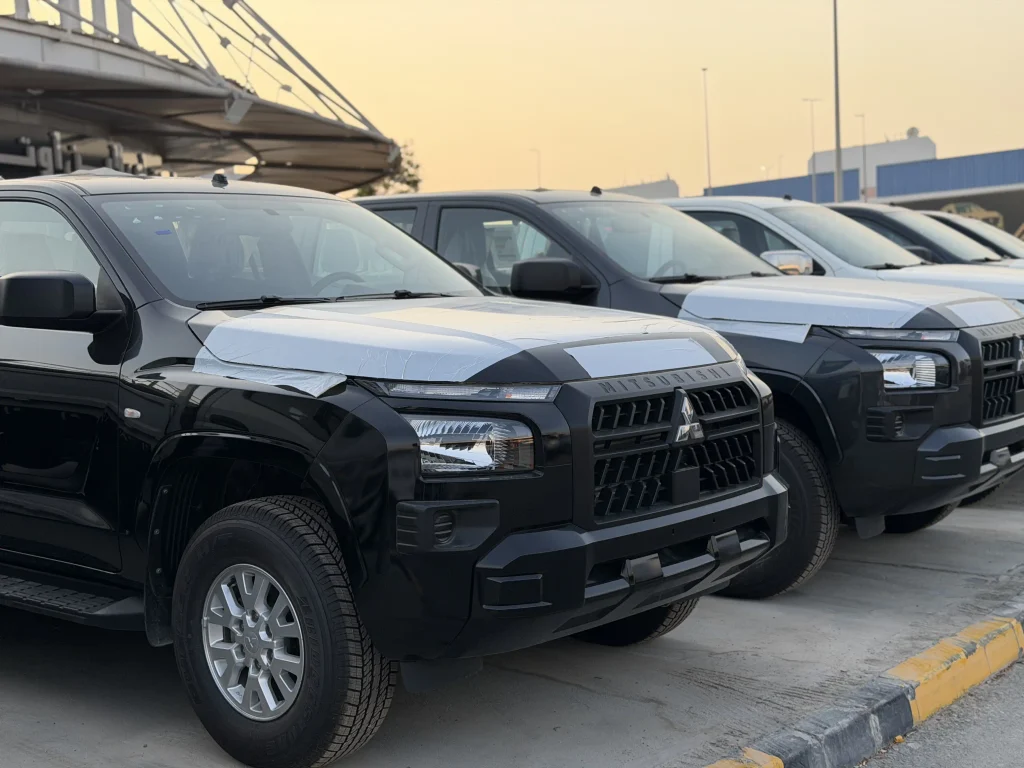
What Affects the Price of a Used Car?
Common factors include:
- Make and model.
- Model year.
- Mileage.
- Overall mechanical condition.
- Exterior and interior condition.
- Service history.
- Accident history.
- Number of previous owners.
- Vehicle specification.
- Warranty status.
- Market demand.
- Availability of spare parts.
- Expected maintenance costs.
Two vehicles of the same model and year may therefore have very different values, especially when comparing reliable used cars in the UAE with different mileage, service histories and overall condition.
One may have complete maintenance records, lower mileage and no major repair history, while another may need tyres, suspension work and major servicing soon after purchase.
How Much Does a Second Hand Car Cost in Dubai?
Prices vary significantly depending on the vehicle type, age and condition.
An older economy vehicle and a recent family SUV belong to completely different price ranges, while premium vehicles can vary even more depending on depreciation, mileage and condition.
If your budget is limited, reviewing cheap used cars in Dubai can help you identify models that commonly fall into lower price ranges before comparing individual listings.
For a more accurate comparison, focus on vehicles with similar:
- Model years.
- Mileage.
- Specifications.
- Condition.
- Service history.
This gives you a more useful reference for the current market.
How to Know Whether the Asking Price Is Fair
Start by comparing several examples of the same make and model.
If one car is noticeably cheaper than similar listings, investigate why before treating it as a bargain.
Possible reasons may include:
- High mileage.
- Accident history.
- Imported specification.
- Cosmetic damage.
- Mechanical problems.
- Expiring registration or insurance.
- Upcoming major maintenance.
- Seller urgency.
A low price can still represent good value, but only when the vehicle’s condition and history justify the purchase.
For another pricing reference, use the Shozon UAE Car Guide Price to compare vehicle values by make, model, trim and model year.
Check the Car’s History Before You Buy
Vehicle history can reveal issues that are not visible during a quick inspection.
Before making a payment, obtain the VIN or chassis number and use it to confirm as much information about the vehicle as reasonably possible.
Verify the VIN or Chassis Number
The Vehicle Identification Number is a unique identifier assigned to the vehicle.
Check that the VIN shown on the vehicle matches the relevant documents and information supplied by the seller.
If numbers do not match or the seller is unwilling to provide the chassis number for reasonable verification, investigate further before continuing with the purchase.
Check Accident History
A previous accident does not automatically make a car unsuitable.
When reviewing an accident record, consider:
- How serious was the accident?
- Which parts were damaged?
- Were structural components affected?
- How were repairs completed?
- Does the current condition reflect proper repairs?
Minor cosmetic work is very different from structural damage.
Accident history should therefore be assessed alongside a physical inspection.
Review Ownership and Service Records
Ask for available maintenance records.
Regular servicing can help show how the vehicle was maintained and whether important work was completed at appropriate intervals.
Look for evidence relating to items such as:
- Oil changes.
- Cooling-system maintenance.
- Transmission servicing.
- Brake replacement.
- Battery replacement.
- Tyres.
- Major scheduled services.
Missing service records do not automatically prove poor maintenance, but they increase uncertainty.
Compare Mileage With Vehicle Age
Mileage should make sense when compared with:
- Vehicle age.
- Previous service records.
- Interior wear.
- Steering-wheel condition.
- Pedal wear.
- Seat condition.
A low odometer reading combined with unusually heavy wear deserves additional investigation.
Do not rely on mileage alone when judging vehicle condition.
Inspect the Used Car Before Paying
A careful physical inspection can identify problems that are not obvious in photographs or descriptions.
Inspect the vehicle in good lighting where possible and avoid rushing through the process.
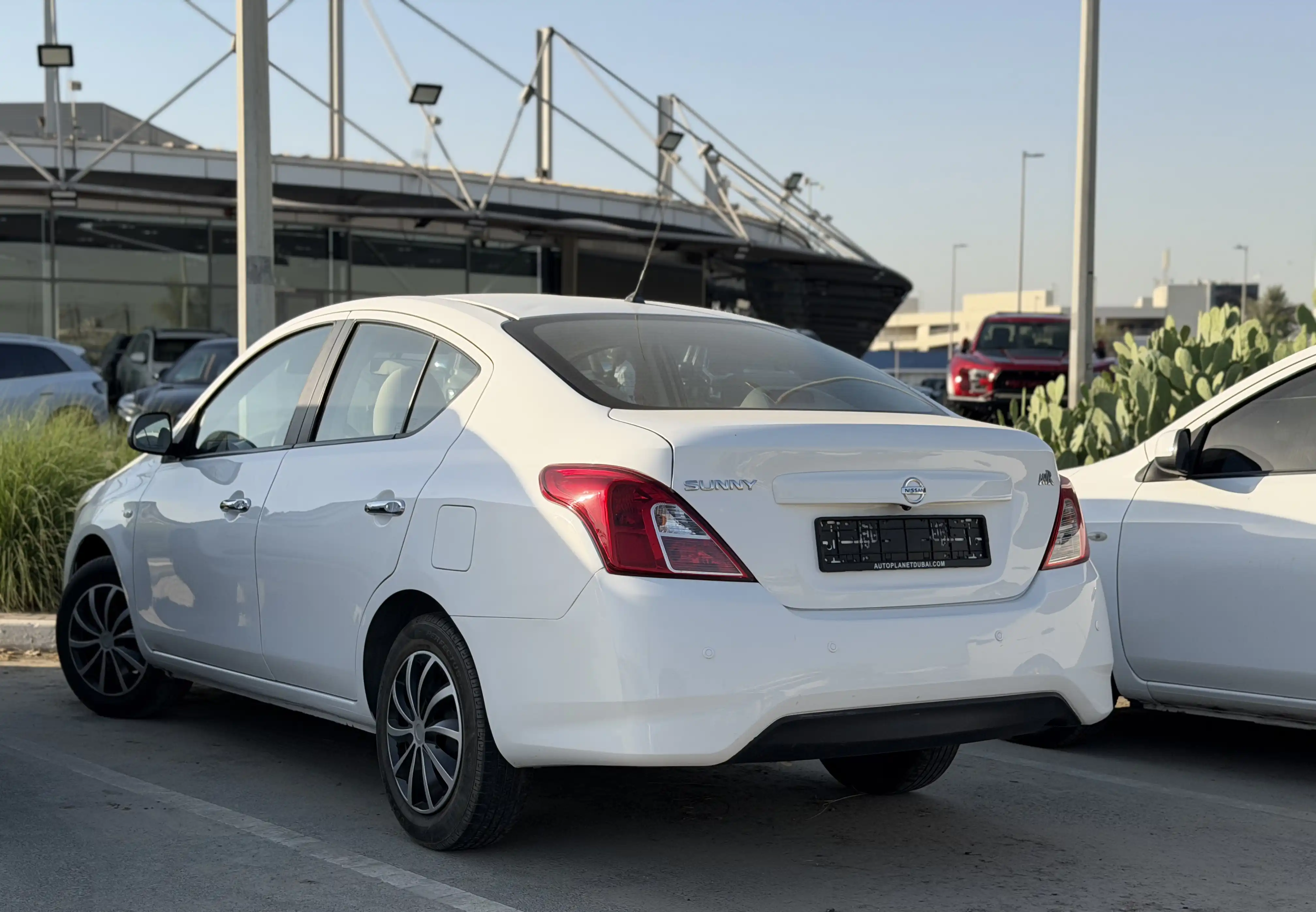
Exterior and Bodywork
Check for:
- Uneven panel gaps.
- Paint colour differences.
- Overspray.
- Dents.
- Cracks.
- Signs of welding.
- Misaligned doors or panels.
- Damaged lights.
- Unusual corrosion.
- Poor previous repairs.
Paintwork alone does not tell the full story, but inconsistent repairs can indicate previous body damage.
Interior and Electronics
Examine the cabin carefully.
- Air conditioning.
- Power windows.
- Central locking.
- Infotainment system.
- Cameras and parking sensors if fitted.
- Seat controls.
- Dashboard displays.
- Interior lighting.
The air-conditioning system deserves particular attention because reliable cooling is important for daily driving in Dubai.
Look for moisture, unusual smells or staining that could indicate previous water exposure.
Engine and Transmission
Look under the bonnet and beneath the vehicle where practical.
Potential warning signs include:
- Fluid leaks.
- Unusual engine noises.
- Excessive vibration.
- Warning lights.
- Rough idle.
- Delayed gear changes.
- Harsh transmission behaviour.
- Smoke from the exhaust.
Complex mechanical problems are best assessed by a qualified technician.
Use these signs to decide whether professional inspection is required.
Tires, Suspension and Underbody
Check tyre condition and wear patterns.
Uneven wear may indicate issues involving:
- Alignment.
- Suspension.
- Steering.
- Tyre pressure.
Inspect the underbody for visible damage or leaks where safely possible.
Tyres may also represent an immediate replacement cost, so their condition should be included when negotiating the purchase price.
Airbags and Safety Systems
Confirm that dashboard safety lights behave normally when the car starts.
Warning lights that remain illuminated may indicate a fault.
Signs of dashboard or steering-wheel repairs should also be investigated because they may relate to previous airbag deployment or accident repairs.
Signs of Flood or Water Damage
Water-related damage may create electrical and mechanical problems that appear long after the vehicle dries.
Possible signs include:
- Musty smells.
- Unusual moisture.
- Corrosion in unexpected areas.
- Water marks.
- Staining beneath carpets.
- Electrical faults.
- Discolouration around low areas of the cabin.
If you suspect significant water exposure, arrange a professional assessment before proceeding.
Get an Independent Pre-Purchase Inspection
An independent pre-purchase inspection is one of the most useful steps when buying a used car.
The inspection should ideally be performed before final payment and before you commit to completing the transaction.
Buyers should also distinguish a private mechanical inspection from the official vehicle inspection requirements used for registration purposes.
Depending on the inspection provider and vehicle, checks may cover:
- Engine.
- Transmission.
- Cooling system.
- Suspension.
- Steering.
- Brakes.
- Tyres.
- Electrical systems.
- Bodywork.
- Underbody.
- Evidence of previous accident repairs.
- Diagnostic fault codes.
The resulting report can help you decide whether to:
- Proceed with the purchase.
- Negotiate the price.
- Request repairs.
- Obtain a specialist assessment.
- Walk away from the vehicle.
A seller refusing a reasonable request for an independent inspection should be treated cautiously.
Take the Car for a Proper Test Drive
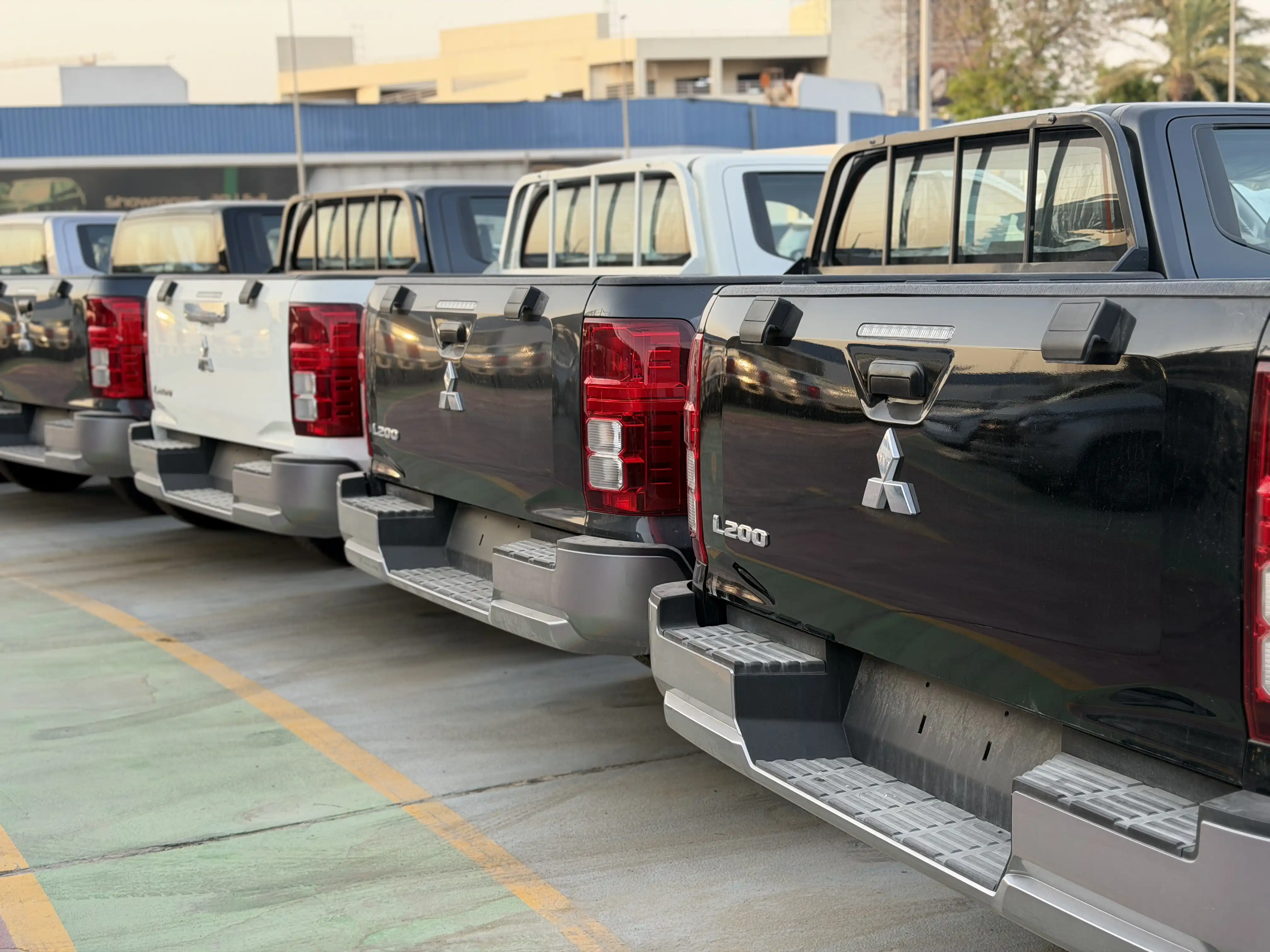
A test drive allows you to assess how the vehicle behaves under normal driving conditions.
A test drive should assess the car’s mechanical behaviour, not just how comfortable it feels.
Pay attention to:
- Steering response.
- Brake performance.
- Gear changes.
- Acceleration.
- Suspension behaviour.
- Vibrations.
- Unusual sounds.
- Dashboard warning lights.
- Air-conditioning performance.
- Driving position.
- Visibility.
Drive at different appropriate speeds where conditions allow.
A problem that is not noticeable while the vehicle is parked may become obvious during acceleration, braking or turning.
GCC Specs vs Imported Used Cars
Used vehicles in Dubai may have GCC specifications or may have originally been supplied for another market.
GCC specifications do not automatically make a used car better, and imported specifications do not automatically make one unsuitable. The vehicle’s history, condition, repair quality and compatibility should be assessed individually.
The specification itself should not be used as the only reason to accept or reject a vehicle.
Instead, establish:
- Where the vehicle originally came from.
- Why it was imported.
- Its accident history.
- Service history.
- Current mechanical condition.
- Availability of compatible parts.
- Whether specifications differ from locally supplied models.
Imported vehicles can vary greatly in condition, just as locally supplied cars can.
The most important factor is whether the specific vehicle can be properly verified and inspected.
Negotiate the Used Car Price
Negotiation should be based on evidence rather than an arbitrary discount request.
Before making an offer, compare similar vehicles and understand the condition of the one you intend to buy.
Use the Inspection Report During Negotiation
If an inspection identifies required maintenance or repairs, obtain realistic estimates where possible.
Examples may include:
- Tyres.
- Brake components.
- Battery.
- Suspension parts.
- Fluid leaks.
- Air-conditioning repairs.
- Scheduled servicing.
You can then decide whether the seller’s price still represents fair value.
Compare Similar Listings Before Making an Offer
Compare vehicles with similar:
- Age.
- Mileage.
- Specification.
- Condition.
- Ownership history.
This provides a stronger basis for negotiation than comparing unrelated cars.
Do Not Judge the Deal by Price Alone
A car that costs slightly more but has a verifiable history and good mechanical condition can ultimately cost less than a cheaper vehicle requiring extensive repairs.
Purchase price is therefore only one part of the decision.
Arrange Insurance Before Ownership Transfer
Motor insurance is an important part of the vehicle registration and ownership process in Dubai.
The exact premium depends on factors such as:
- Vehicle value.
- Make and model.
- Vehicle age.
- Driver profile.
- Type of coverage.
- Insurer.
- Policy terms.
Obtain a quotation for the actual vehicle rather than relying on a general estimate.
Confirm the insurance requirements applicable to your transaction before completing the transfer.
How to Transfer Used Car Ownership in Dubai
Ownership transfer is the formal stage that moves the vehicle from the seller to the buyer.
Requirements can vary depending on the vehicle, transaction and registration circumstances, so buyers should confirm the current procedure before attending the relevant service channel.
Documents Required to Transfer Used Car Ownership in Dubai
Depending on the transaction, relevant documents or information can include:
- Emirates ID.
- Vehicle registration details.
- Valid insurance information.
- Vehicle inspection documentation where required.
- Buyer and seller identification.
- Additional documents relevant to financing or registration status.
Check current requirements before the transaction rather than relying on an older checklist.
Vehicle Inspection and Registration
A vehicle may need to meet applicable testing and registration requirements before the transfer can be completed.
A pre-purchase mechanical inspection and an official roadworthiness or registration inspection serve different purposes.
The first helps the buyer understand the mechanical condition of the car.
The second relates to the official vehicle-registration process.
Passing one should not automatically be treated as equivalent to passing the other.
Ownership Transfer Fees
Government fees and service charges can change.
Before completing the transaction, confirm the current transfer, registration, inspection and plate-related costs that apply to your specific vehicle.
Budget for these costs separately from the agreed purchase price.
Used Car Ownership Transfer Steps
The ownership transfer process in Dubai can be completed through RTA services after the required vehicle, insurance and identification checks are satisfied.
- The seller starts the ownership-transfer request and selects the vehicle to be transferred.
- Outstanding traffic fines are settled, and any registered vehicle mortgage must be released where applicable.
- The seller enters the buyer’s details and submits the required transaction information.
- The buyer reviews and electronically signs the Vehicle Sale and Purchase Agreement.
- The seller then reviews and signs the agreement, confirming the transfer.
- The buyer pays the applicable ownership-transfer and registration fees and completes the vehicle registration process in their name.
- The vehicle registration is issued to the new owner once all applicable requirements have been completed.
The online Vehicle Sale and Purchase Agreement is valid for 14 days. If the ownership-transfer process is not completed within this period, the electronic agreement may be cancelled and the process may need to be started again.
Before beginning the transfer, both parties should confirm that the required Emirates IDs, electronic insurance, technical inspection and any applicable mortgage-release documents are ready.
Common Mistakes to Avoid When Buying a Used Car
Several avoidable mistakes can increase the risk of an expensive purchase.
Avoid:
- Choosing a car only because it has the lowest advertised price.
- Skipping the vehicle-history check.
- Paying before confirming the current vehicle transfer requirements and completing important verification.
- Relying entirely on information supplied by the seller.
- Ignoring maintenance records.
- Skipping an independent inspection.
- Failing to test drive the vehicle.
- Ignoring warning lights.
- Overlooking tyres and upcoming maintenance.
- Comparing monthly instalments without comparing total finance costs.
- Assuming low mileage automatically means good condition.
- Feeling pressured to complete a transaction immediately.
- Sharing unnecessary sensitive documents before verifying the other party and the transaction.
Before completing the purchase, make sure the vehicle, ownership documents and agreed terms can all be independently verified.
Used Car Buying Checklist for Dubai
Use the following checklist before completing a purchase:
| Check | Before Viewing | Before Paying | Before Transfer |
| Set total budget | Yes | ||
| Compare similar listings | Yes | Yes | |
| Confirm VIN/chassis number | Yes | Yes | |
| Review vehicle history | Yes | ||
| Check service records | Yes | ||
| Inspect body and interior | Yes | ||
| Complete test drive | Yes | ||
| Arrange independent inspection | Yes | ||
| Agree final price | Yes | ||
| Confirm insurance | Yes | ||
| Verify seller and ownership details | Yes | Yes | |
| Confirm transfer requirements | Yes | ||
| Complete registration process | Yes |
FAQs about how to buy second hand car in dubai
Prices vary widely depending on the model, age, mileage, condition, and service history. The best approach is to compare similar cars in the Dubai market before deciding whether the asking price is fair.
Compare several vehicles, check the car’s history and documents, arrange an independent inspection, and complete a proper test drive before making any payment.
Ownership is transferred through the relevant vehicle registration authority. The buyer and seller must meet the applicable requirements for identification, insurance, inspection, fees, and registration before the transfer is completed.
Used cars can be found through online classifieds, private sellers, dealerships, and approved pre-owned programmes. The right option depends on your budget and how much support you want during the purchase.
Private sellers may sometimes offer lower asking prices than dealerships, but price should always be weighed against the vehicle’s condition, history, and expected repair costs.
There is no single ideal mileage. It should be reasonable for the car’s age and supported by its service history, overall condition, and maintenance records.